
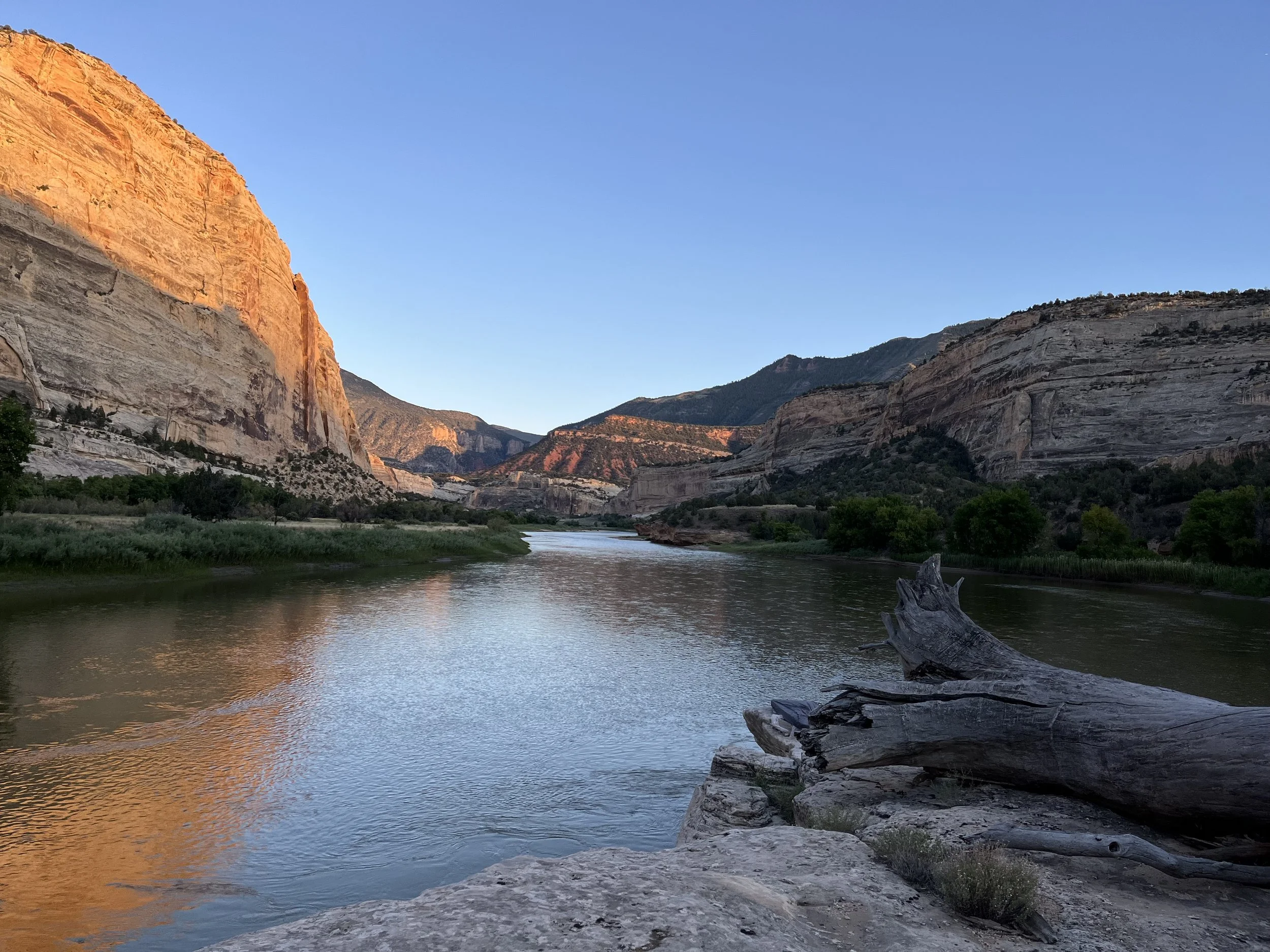
Advancing science at the intersection of rivers and human systems
Our work brings together hydrology, geomorphology, and human systems to support resilient riverscapes and ecosystems.
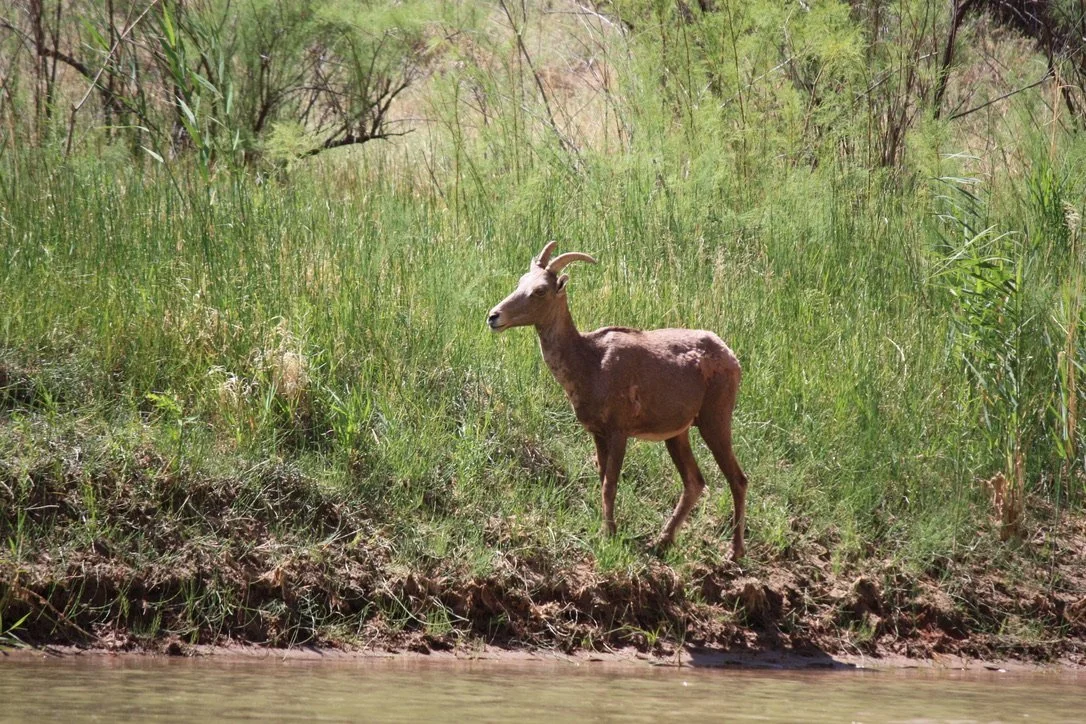
Studying the interactions of flow, sediment, ecosystems, and human activity in rivers
Our work explores how flowing water, landscapes, ecosystems, and human activity interact in and around river systems. By combining physical and ecological science, we investigate river processes from beads to watersheds. We are an applied, hands-on group working with restoration projects in real time, informing current and future efforts to increase the resilience of river systems.

Our work is…
Interdisciplinary
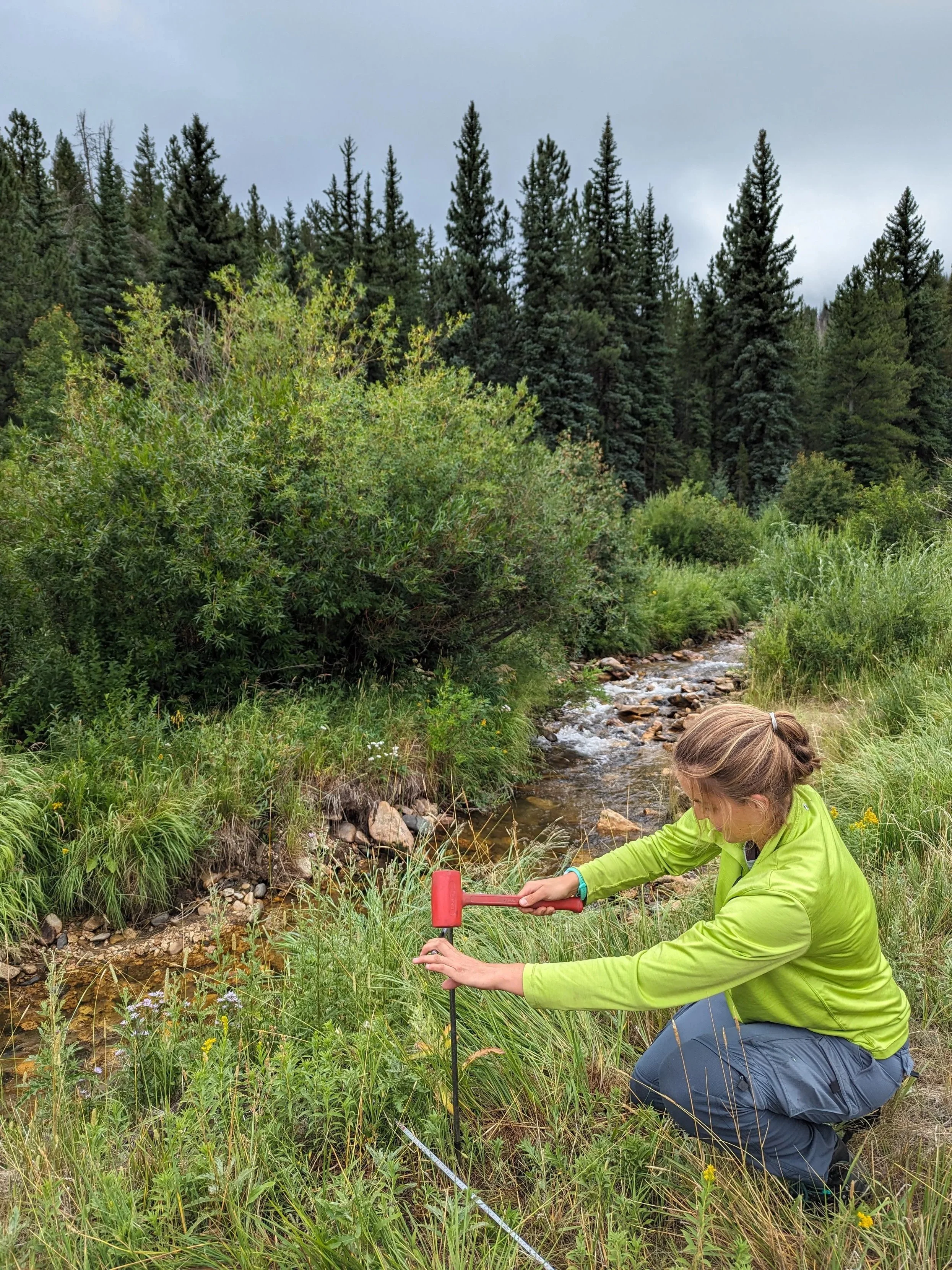
We integrate hydrology, geomorphology, ecology, and social perspectives to understand river systems.
Cooperative

We work closely with students, communities, and partners to co-produce meaningful river science.
Systems-oriented
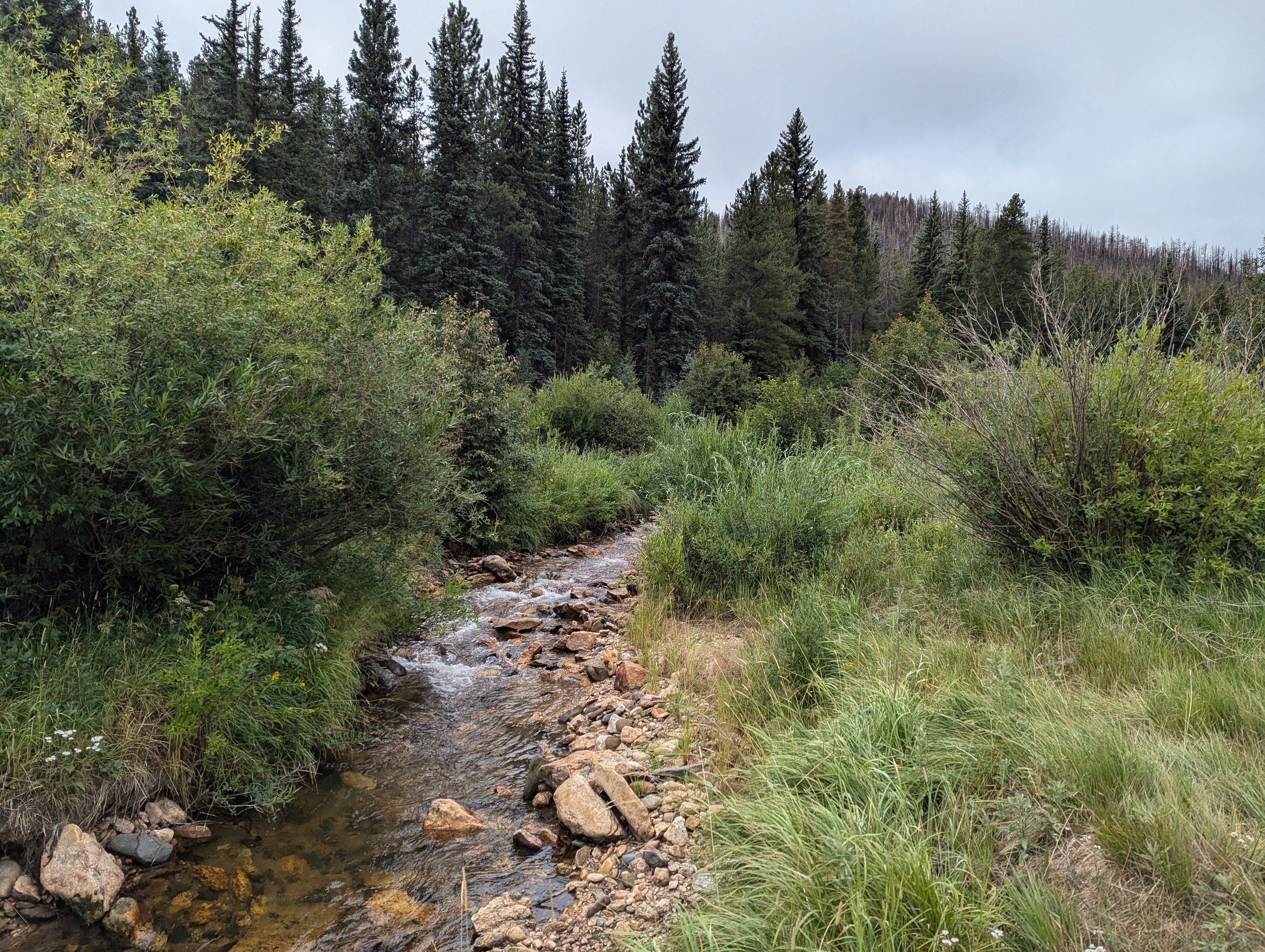
We study rivers as connected networks where physical, ecological, and human processes interact.
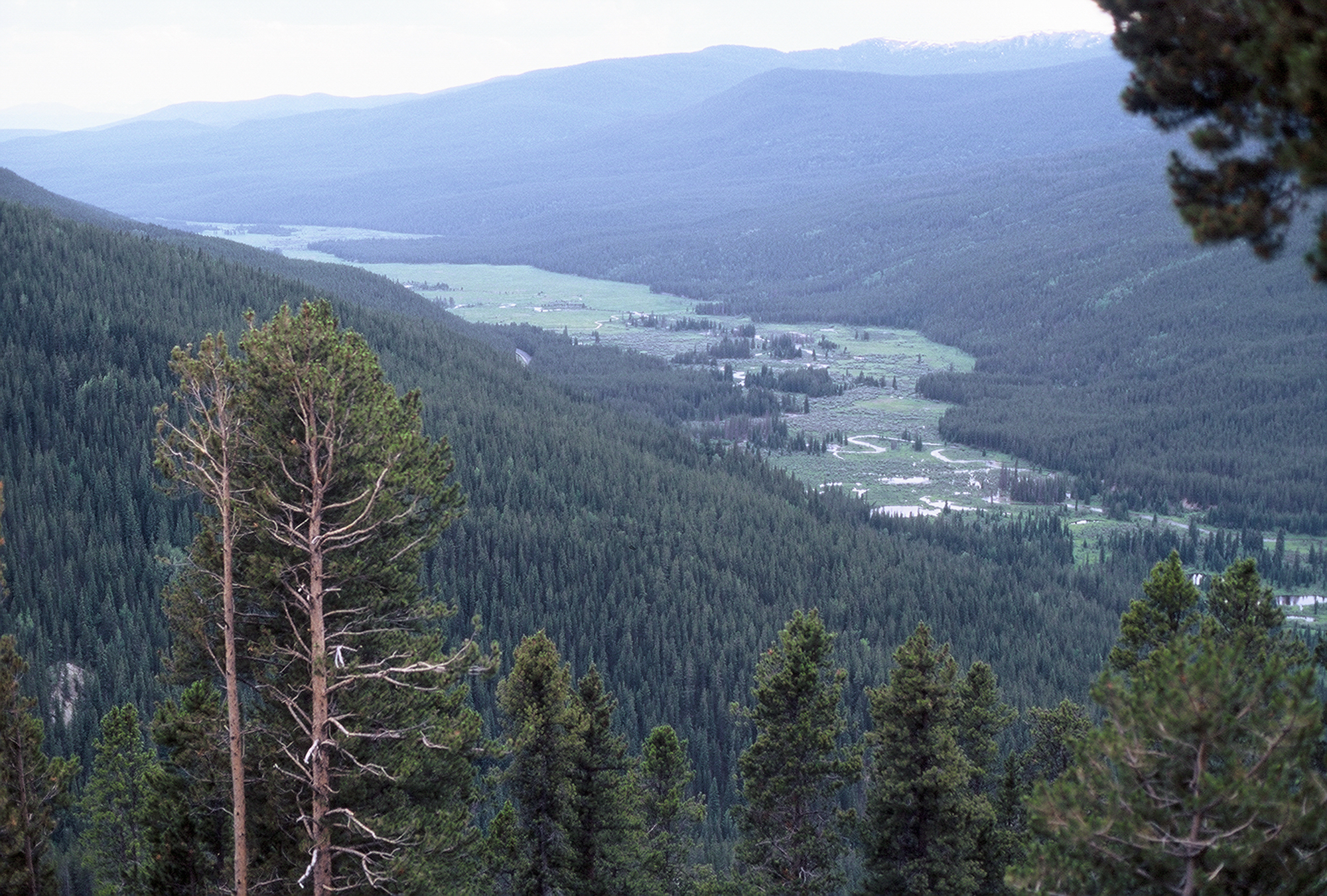
“We are all connected to this river. What happens to it happens to us.”
—Winona LaDuke
Latest news
August 25, 2026
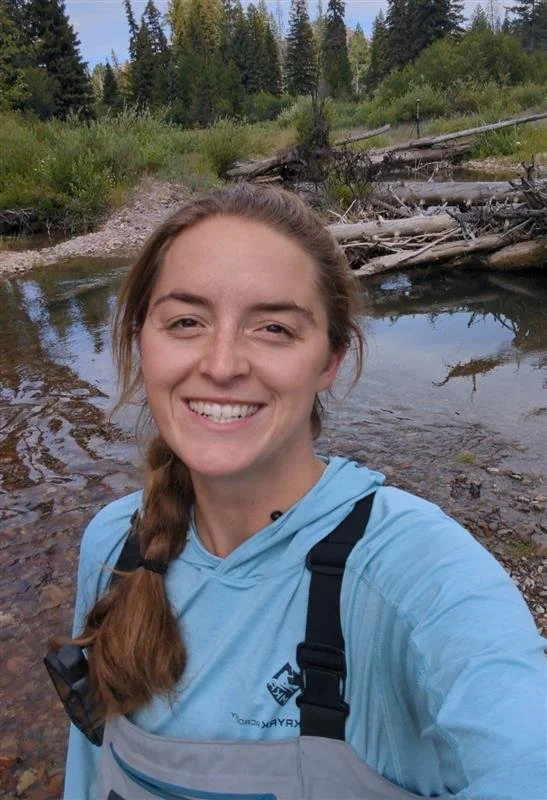
Aleah Hahn Receives University Distinguished Professors Scholarship
Doctoral candidate Aleah Hahn has received one of CSU’s most prestigious awards, the University Distinguished Professors Scholarship, which is awarded yearly to one graduate student who demonstrates excellence in research and academia. Congratulations, Aleah, on this huge honor!
August 23, 2026
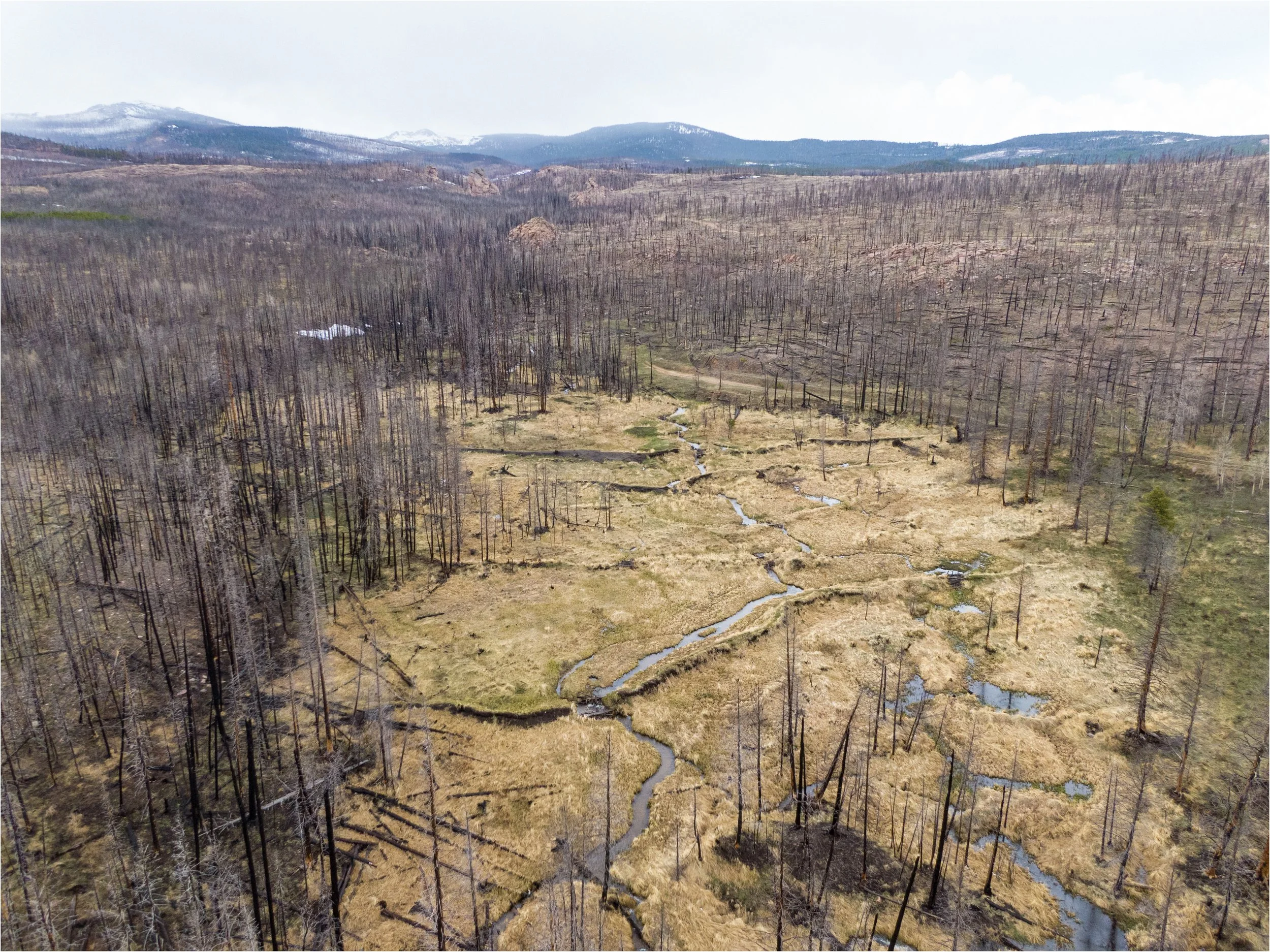
New Earth Surface Processes and Landforms Paper on Rapid Hydraulic Modelling Post Wildfire
Group alumnus Nicholas Christensen and PI Ryan Morrison are authors on a new paper, “Rapid Hydraulic Modelling in Post-Wildfire Channels Using a Tiered Framework,” which investigates using a tiered hydraulic modelling framework in remote, recently burned watersheds. Congrats, Nick and Ryan!
July 27, 2026
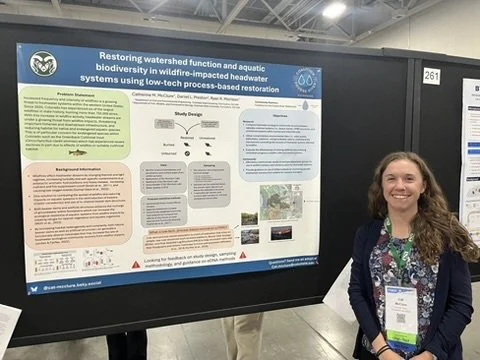
Cat McClure presents at the Ecological Society of America Conference
Postdoctoral fellow Cat McClure presented her poster, "Restoring Watershed Function and Aquatic Biodiversity in Wildfire-Impacted Headwater Systems Using Low-Tech Process-Based Restoration” at the Ecological Society of America’s annual conference in Salt Lake City. Co-authors include PI Ryan Morrison and Associate Professor Dan Preston.
Why this work matters
Transforming scientific discoveries into practical solutions
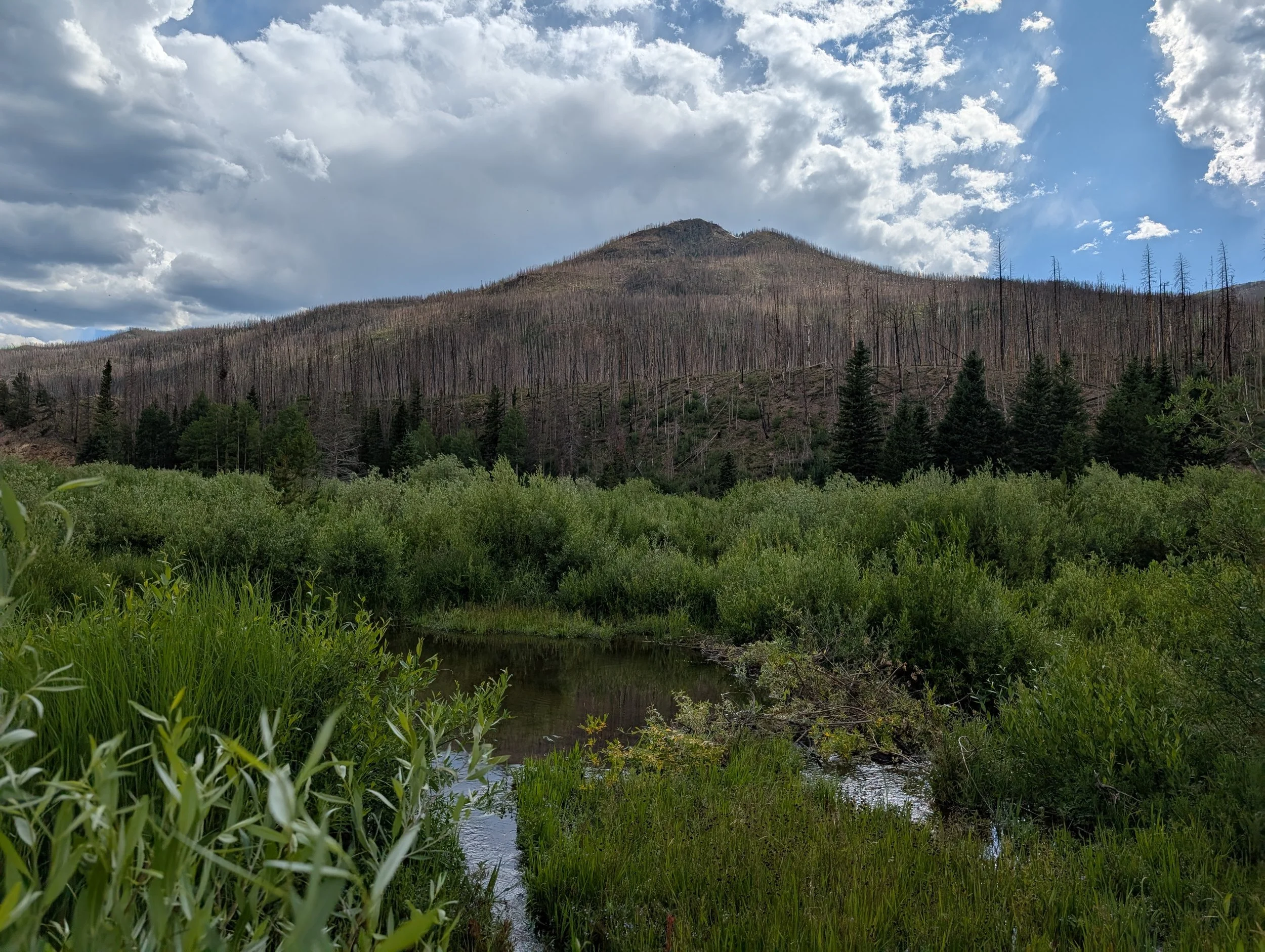
Rivers are shaped by constant interactions of flow, sediment, living systems, and human decisions. Our group studies these relationships to better understand how river networks evolve and how ecosystems respond to change. In a changing climate, more frequent and severe wildfires, floods, and droughts will affect rivers and the species that depend on them. Our goal is to advance scientific understanding while supporting restoration, ecological resilience, and sustainable relationships between rivers and the communities that depend on them.