
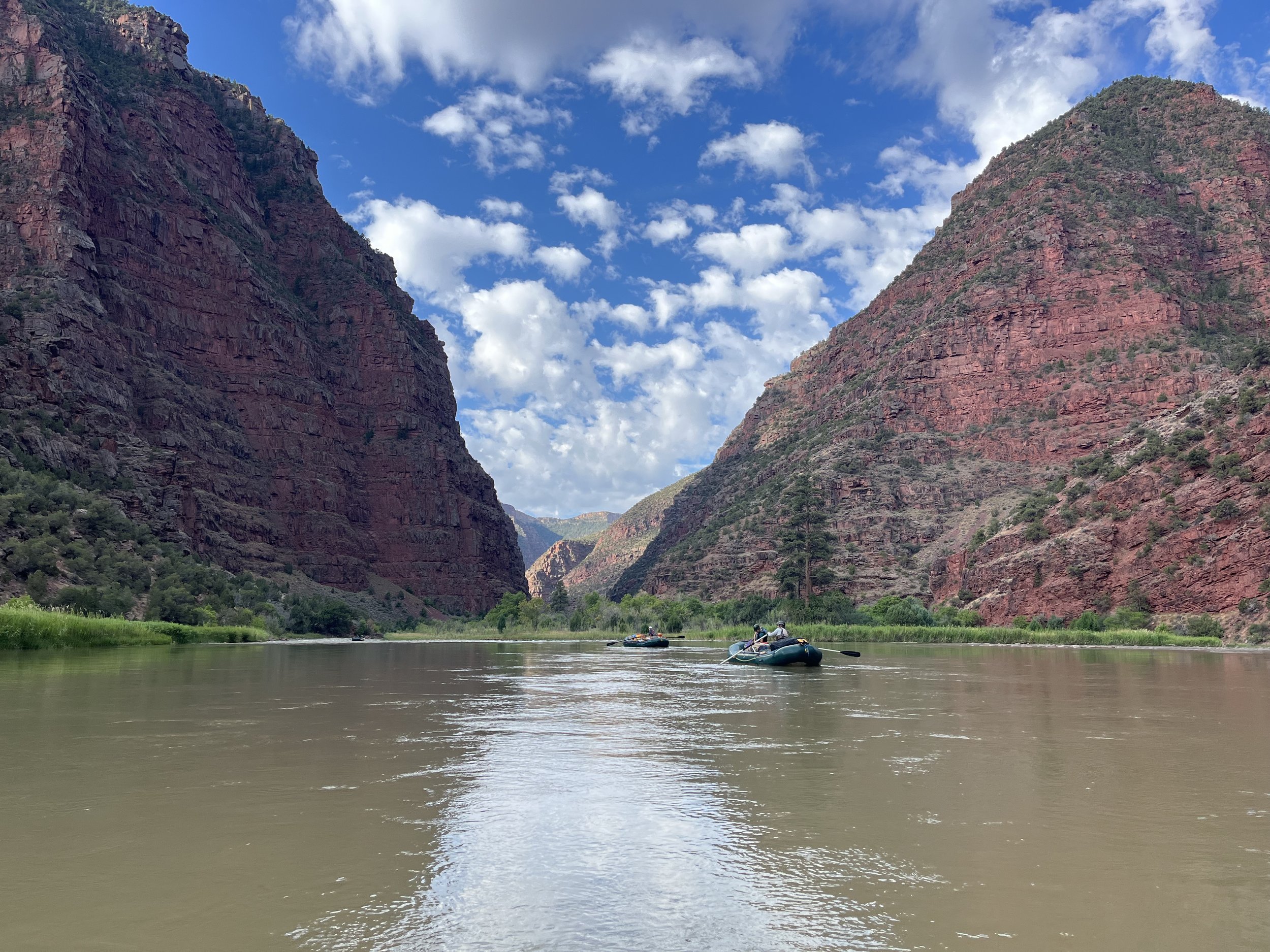
We study how rivers, ecosystems, and people interact.
From headwaters to floodplains, we explore river processes shaping landscapes and communities.
Connecting research, restoration, and decisions through interdisciplinary river science.
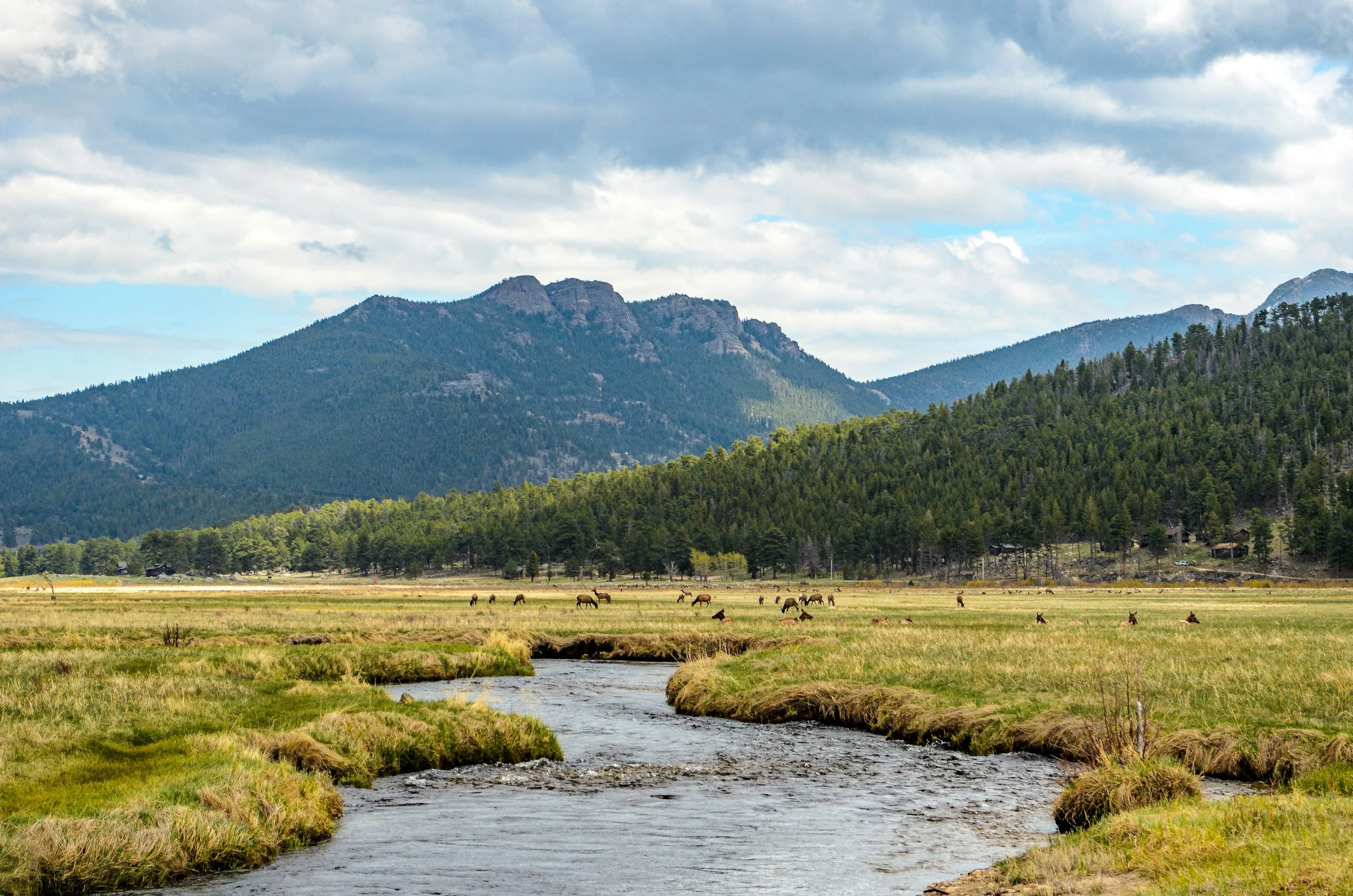
We bridge physical and ecological science to reveal patterns that guide effective restoration and environmental decision-making. We explore rivers as complex systems that are inextricably linked to the landscapes, communities, and ecosystems around them. Through collaboration with students, partners, and practitioners, we strive to provide rigorous, data-backed evidence to support healthy rivers.
Research themes
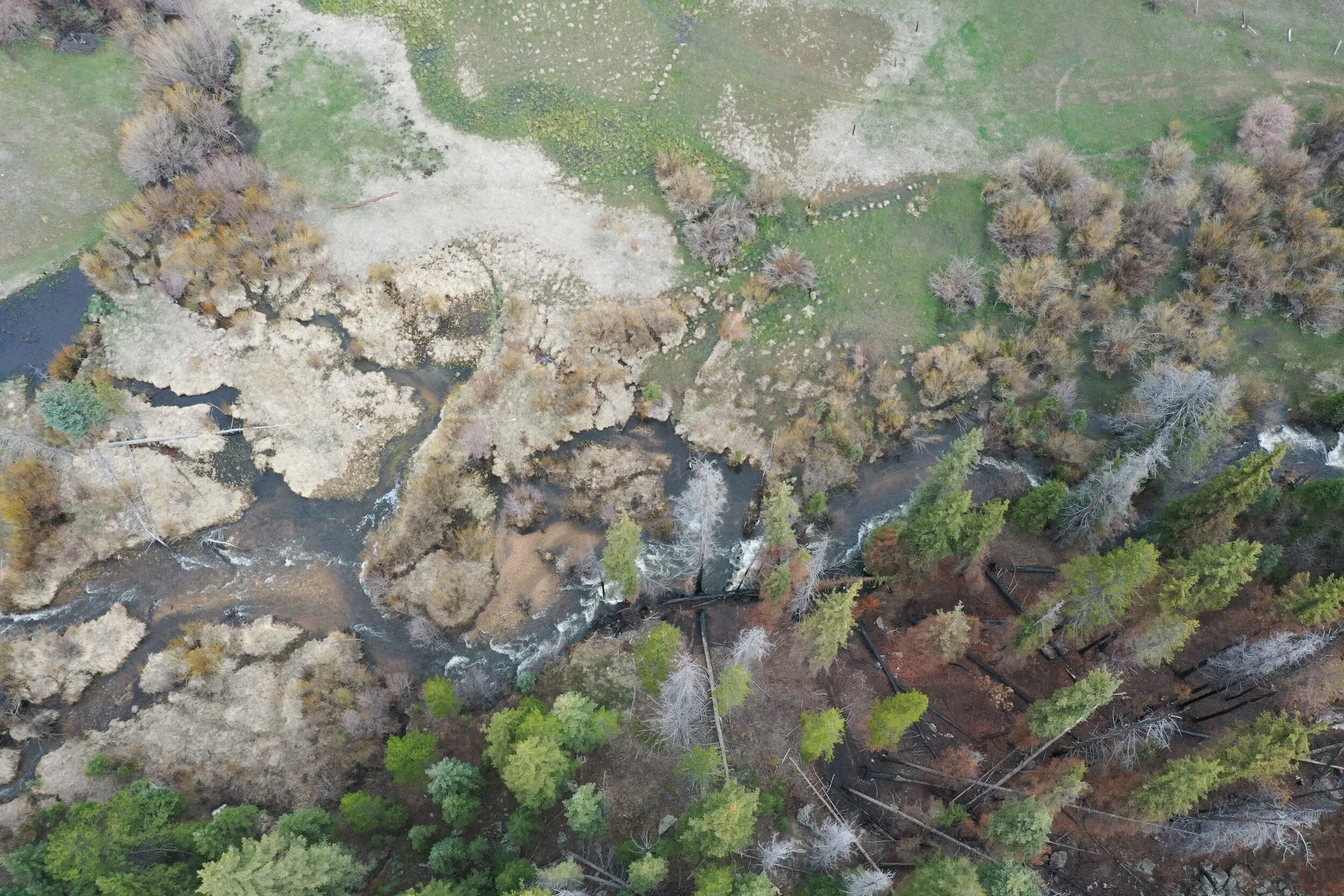
River-floodplain (dis)connectivity
Examining how the movement of water, sediment, and organic materials affects rivers and ecosystems.
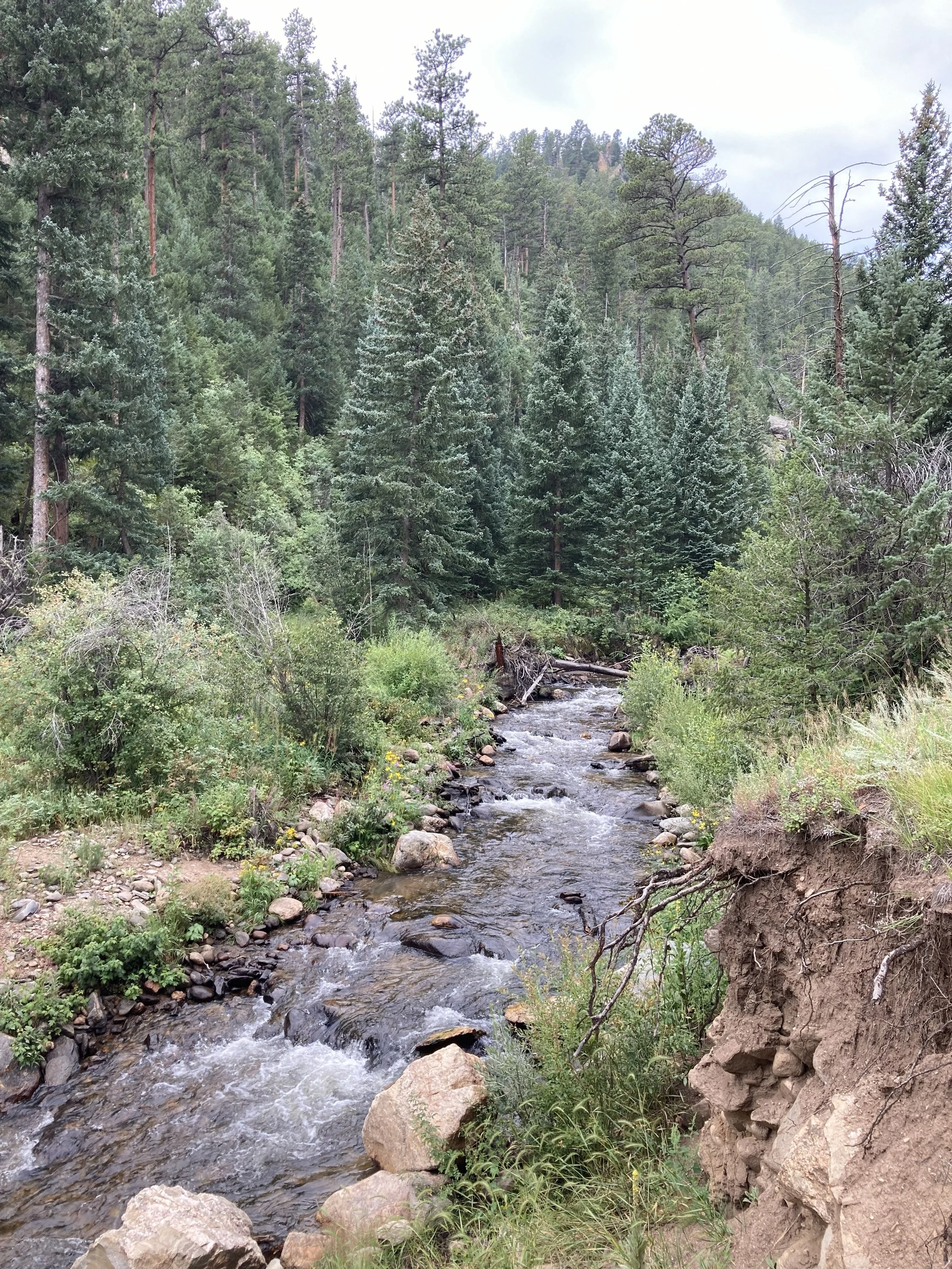
Headwater stream restoration in a changing climate
Investigating restoration methods in Colorado’s headwaters, especially in the face of drought and wildfire.
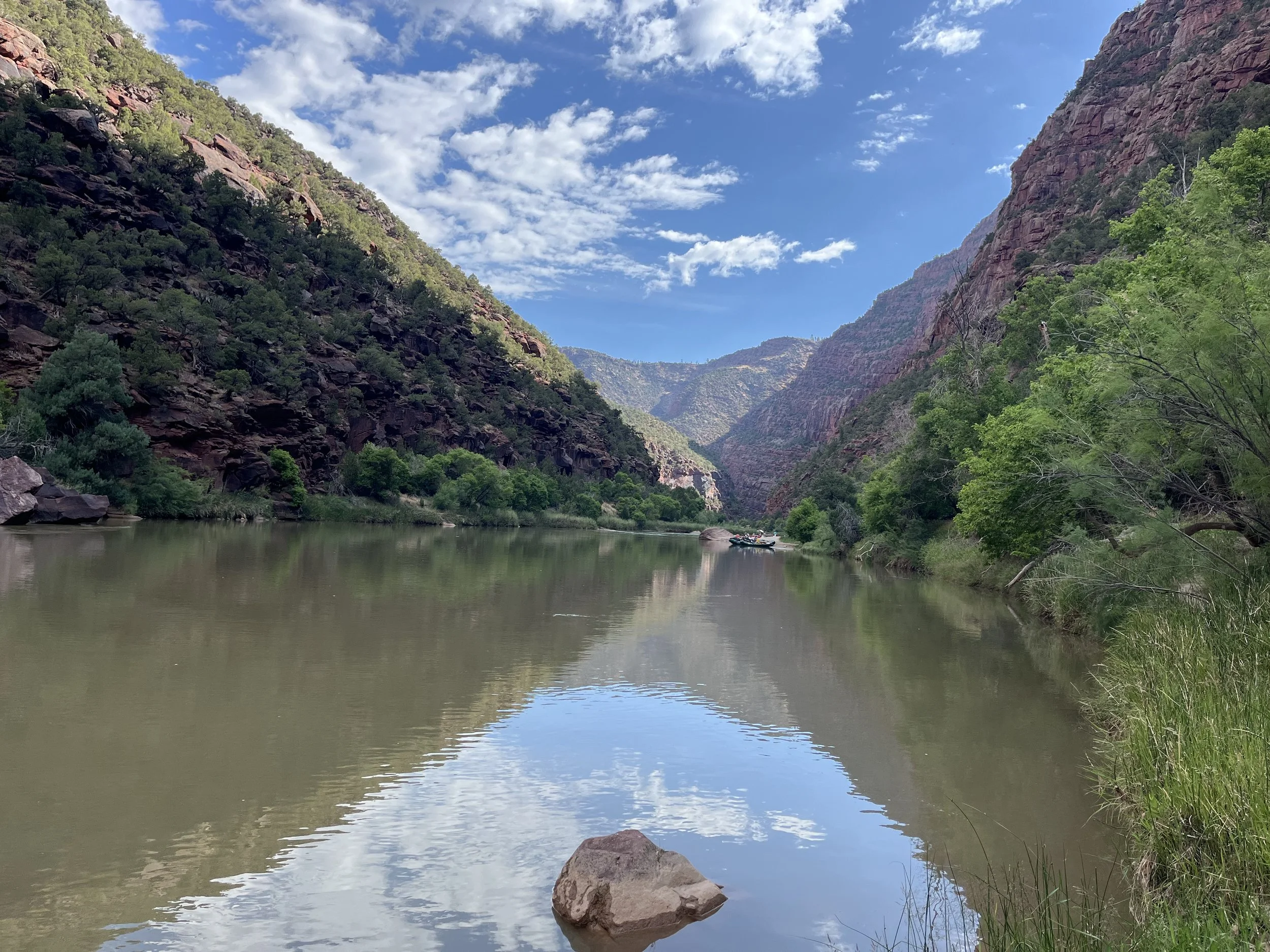
Instream flow decision-making
Developing online decision support tools to assess changes in hydrologic and hydraulic conditions on instream and floodplain ecosystems.
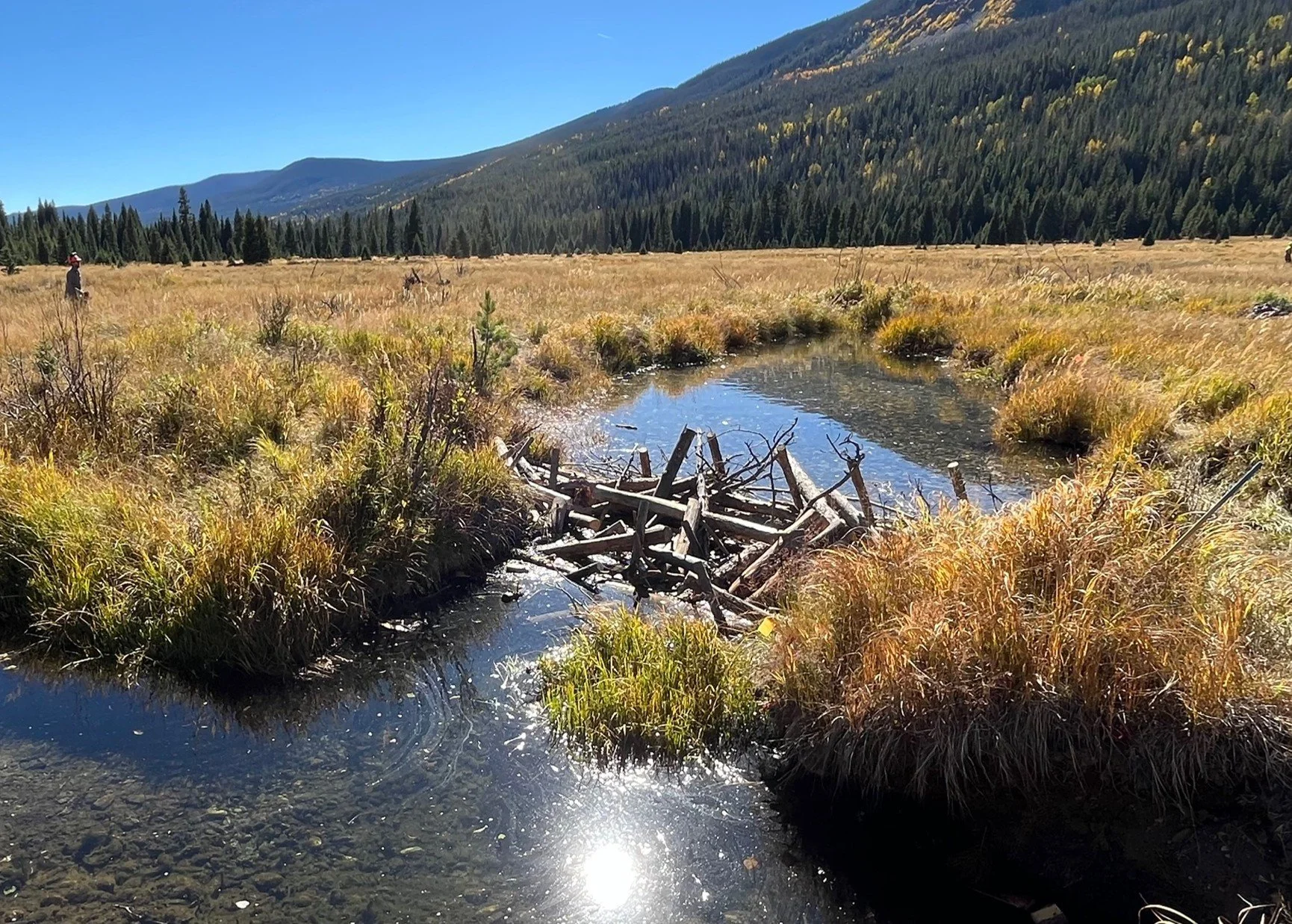
Dynamics of large wood & carbon in river corridors
Understanding the role of large wood on morphological and hydrologic processes in rivers, including better applications of large wood in river restoration.
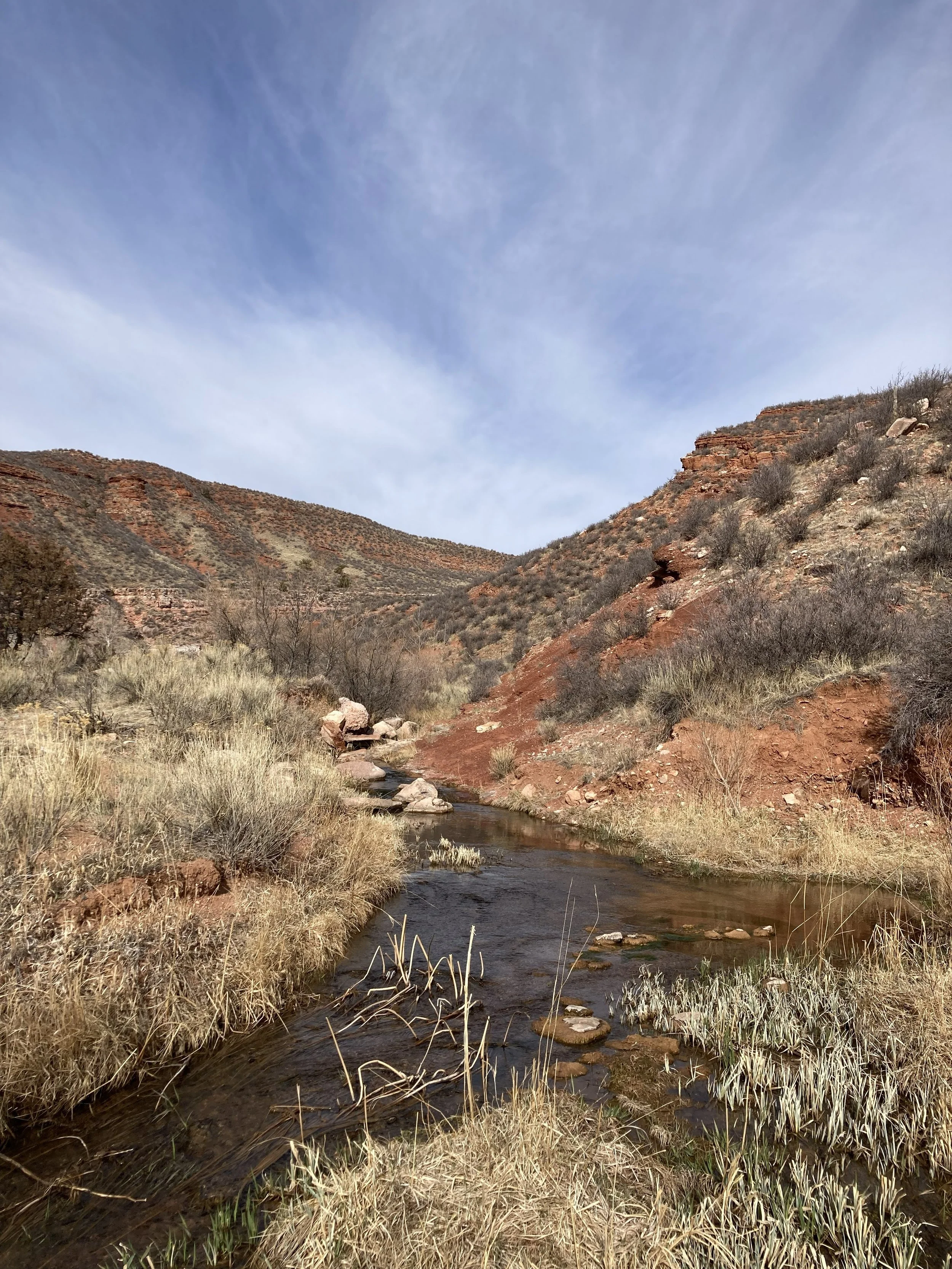
Network scale sediment dynamics
Analyzing how sediment moves through entire river networks to reveal how upstream processes shape downstream conditions across interconnected watersheds.
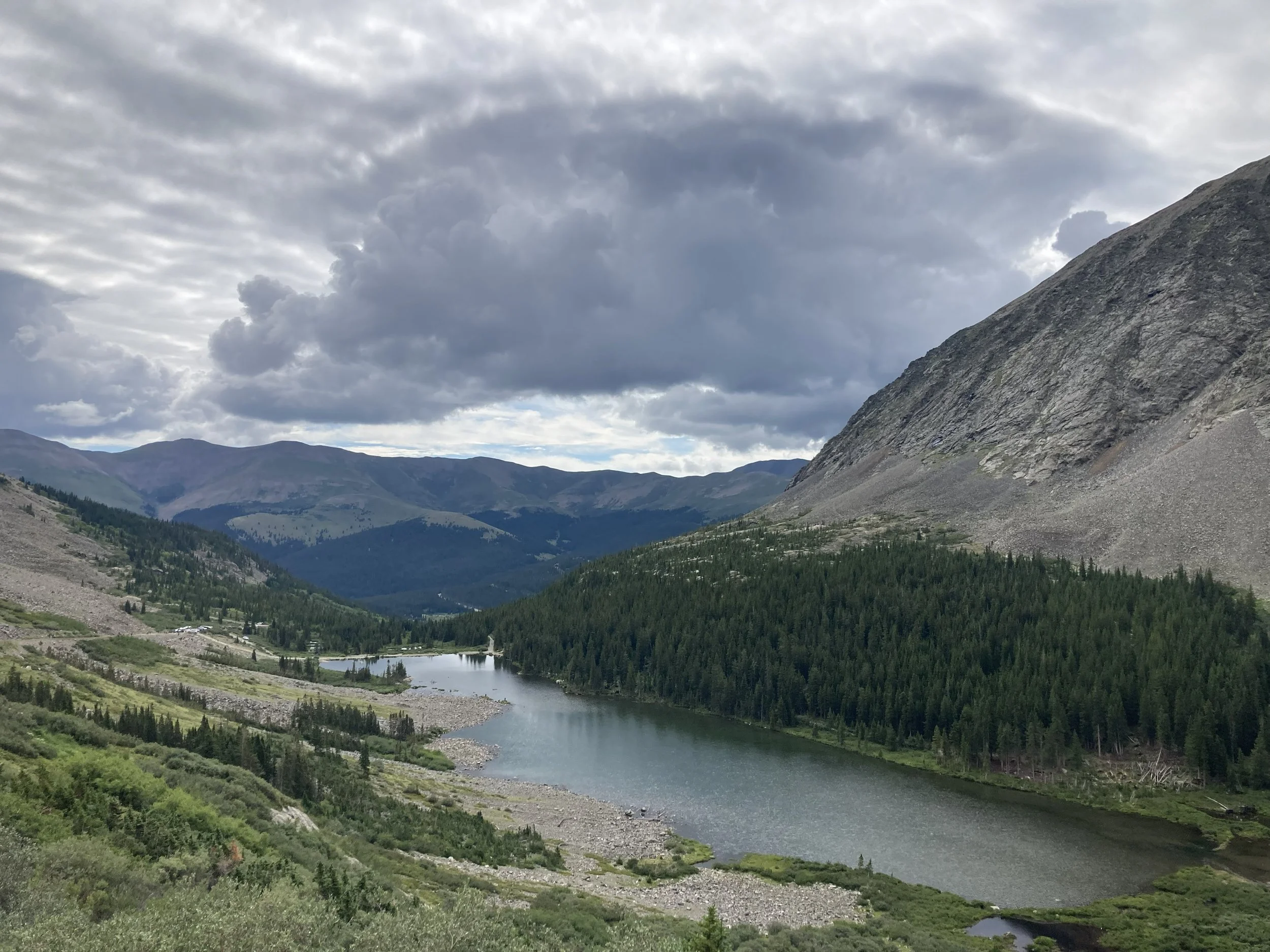
Flood modeling at network scales
Simulating and evaluating the hydrologic and biogeochemcal impacts of groundwater-floodplain connectivity across systems.
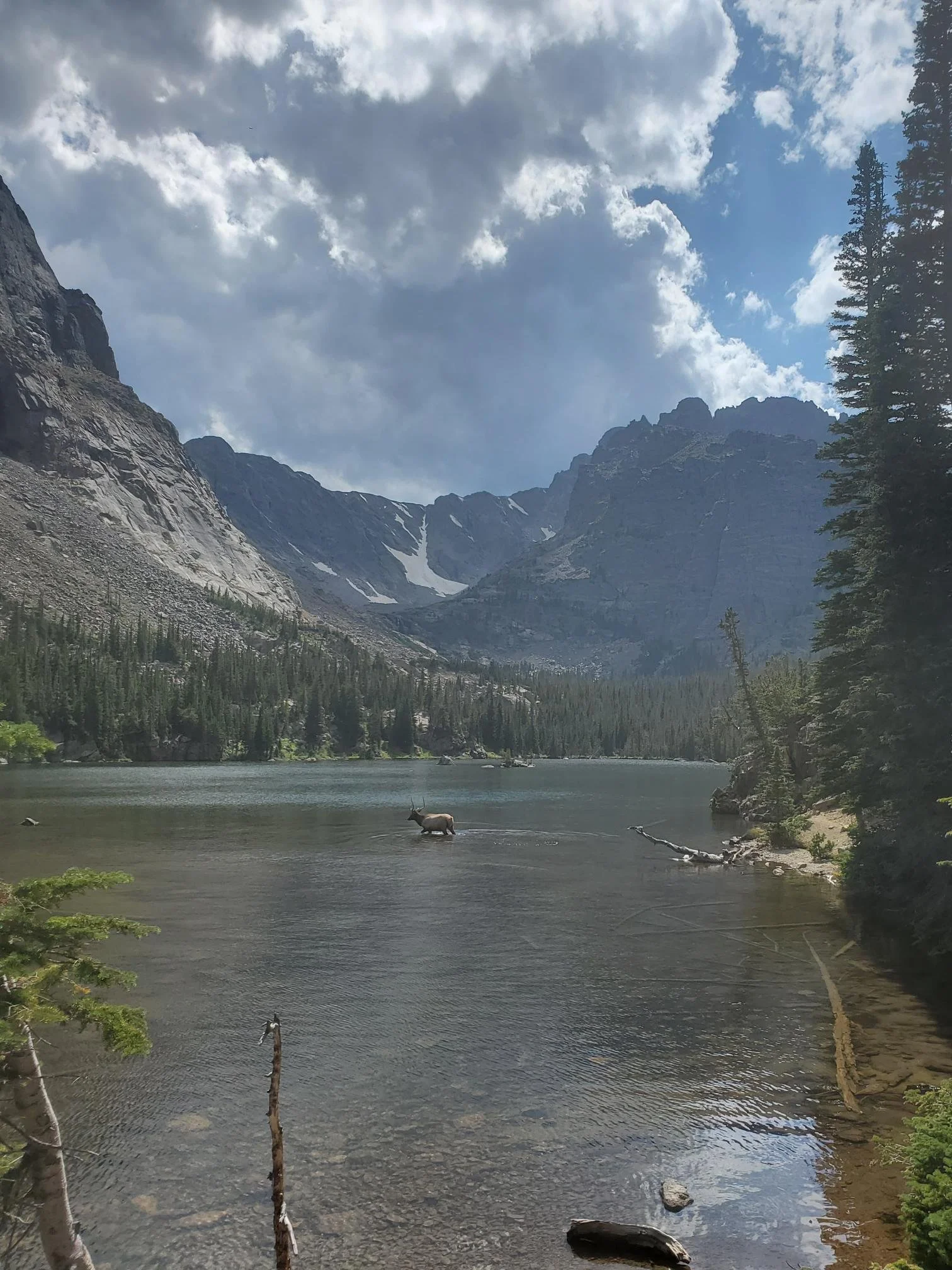
Why this work matters
Rivers link landscapes, communities, and ecosystems. Our work helps reveal how these connected systems affect one another. In a warmer and dryer west, this research can inform management decisions, water quality, infrastructure, and habitat. Our work helps give a voice to the species, ecosystems, and rivers in a changing climate.